
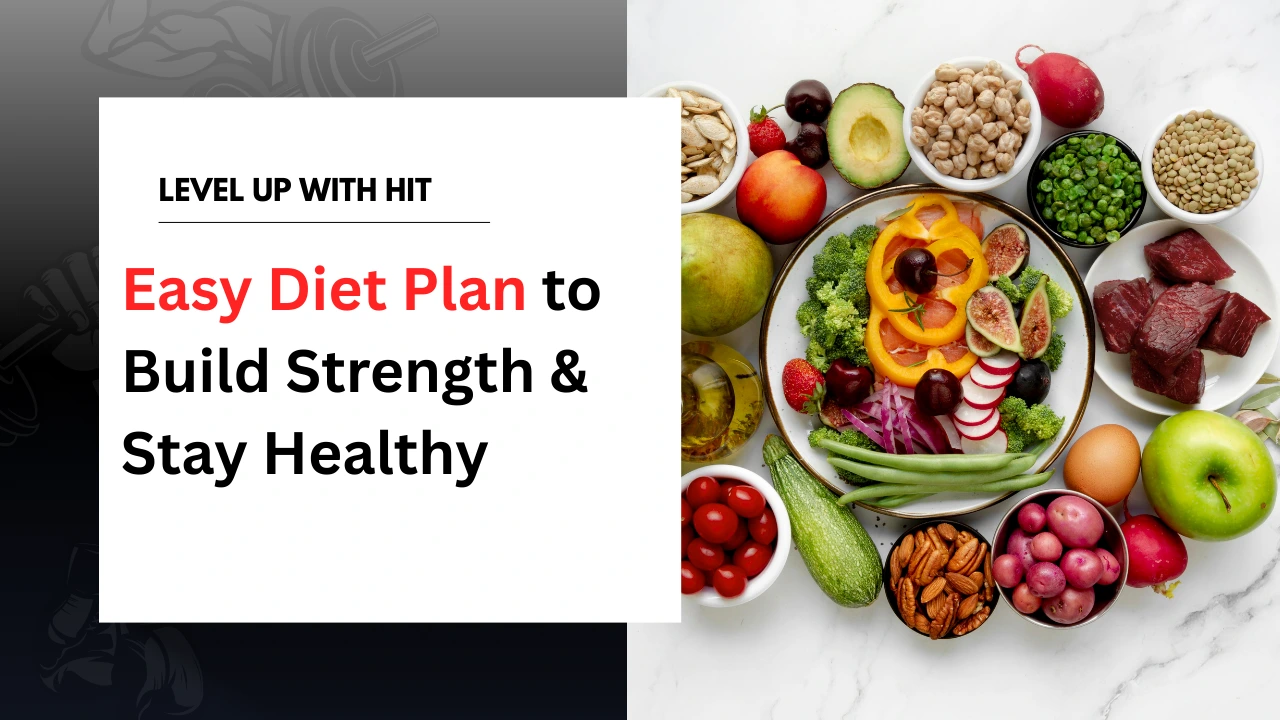
When it comes to fitness, workouts often get all the attention, but the truth is, your nutrition plays an even bigger role in achieving results. The right diet fuels your body, supports recovery, and helps you stay consistent at the gym. Whether you’re a beginner stepping into the gym for the first time, an intermediate lifter aiming for progress, or an advanced athlete chasing peak performance, your diet matters just as much as your training.
This guide breaks down an easy gym diet plan that anyone can follow to build strength, gain muscle, and stay healthy.
Why Nutrition Is Important in Fitness
Many people believe that exercise alone will bring results, but without proper nutrition, progress slows down. The food you eat gives you energy for workouts, supports muscle growth, and helps your body recover faster. Think of your diet as the fuel that powers your training. If the fuel is poor, performance and results will also be poor.
If you’re just starting out, pairing the right diet with a structured training plan can give you amazing results. You can also check out our guide on Full Body Workout at Home for Beginners to kickstart your fitness journey. A balanced diet of protein, carbohydrates, and healthy fats ensures you have the stamina to train harder and the nutrients to build a stronger body.
Understanding Macronutrients
Proteins
Protein is the building block of muscles. After workouts, your muscles develop tiny tears that need repair protein helps with that process. Good sources include chicken, eggs, fish, Greek yogurt, paneer, beans, and lentils.
Carbohydrates
Carbs are the main energy source for your body. Without them, you’ll feel tired and sluggish during workouts. Focus on complex carbs like brown rice, oats, quinoa, sweet potatoes, and fruits.
Fats
Many people avoid fats, but healthy fats are vital for hormone balance, brain function, and joint health. Include nuts, seeds, olive oil, avocado, and fatty fish.
Micronutrients
Vitamins and minerals from vegetables and fruits keep your immune system strong, improve recovery, and maintain overall health.
Pre-Workout Nutrition
Eating the right food before a workout gives your body energy and prevents fatigue. A good pre-workout meal should include carbs for fuel and protein for muscle support.
Examples:
- A banana with peanut butter.
- Oats with milk and berries.
- Whole-grain toast with boiled eggs.
Post-Workout Nutrition
After workouts, your body needs to refuel and repair muscles. The ideal post-workout meal should have protein for recovery and carbs to restore energy.
Examples:
- Grilled chicken with rice and vegetables.
- Protein shake with a banana.
- Greek yogurt with fruits and nuts.
Sample Gym Diet Plan (Full Day)
- Breakfast: Oats with milk, banana, and almonds OR eggs with whole wheat bread.
- Mid-Morning Snack: A handful of nuts or a Greek yogurt smoothie.
- Lunch: Grilled chicken/fish/paneer, brown rice, and steamed vegetables.
- Evening Snack (Pre-Workout): Banana, protein bar, or boiled eggs.
- Dinner (Post-Workout): Chicken/fish with sweet potato and salad.
- Bedtime Snack: Cottage cheese (paneer) or a glass of warm milk for slow protein release overnight.
Foods to Include in a Gym Diet
- Proteins: Eggs, chicken, fish, paneer, lentils, beans.
- Carbs: Brown rice, oats, quinoa, whole wheat bread, sweet potatoes.
- Fats: Nuts, seeds, olive oil, avocado, ghee (in moderation).
- Fruits & Vegetables: Oranges, apples, spinach, broccoli, carrots, and berries.
Foods to Avoid or Limit
- Fried and oily junk foods.
- Sugary drinks and sodas.
- Highly processed packaged foods.
- Excess alcohol.
Hydration & Supplements
- Hydration: Always keep water intake high; dehydration affects strength and stamina.
- Supplements: Whey protein, creatine, multivitamins, omega-3. Remember, supplements only “add” to your diet — they should not replace real food.
Common Mistakes in Gym Nutrition
- Skipping meals, which slows recovery and progress.
- Depending only on protein shakes instead of whole food.
- Overeating junk food, assuming exercise will “burn it off.”
- Not balancing macros eating too much protein but very few carbs or fats.
Tips for Long-Term Success
- Meal prep: Cook in advance to avoid last-minute unhealthy choices.
- Track progress: Adjust calories and protein intake as per your goals (weight gain, fat loss, or maintenance).
- Stay consistent: Diet isn’t about short-term fixes; it’s about building sustainable habits.
Conclusion
Nutrition is the foundation of every fitness journey. Whether you are a beginner stepping into the gym, an intermediate looking to break plateaus, or an expert aiming for peak performance, the right diet can fuel your workouts, speed up recovery, and help you achieve your goals faster. Remember, balance is key; focus on protein for muscle repair, complex carbs for energy, and healthy fats for overall wellness. Pairing smart nutrition with consistency in training will make all the difference.
If you’re ready to take your fitness and nutrition to the next level, Level Up With Hit is here to guide you with the right tips and strategies to stay strong and healthy.